
Sign up to ‘The Thirsty Hounds’ Mailing List for news, special offers and exclusive event invitations
Indomitus Wine Range
Indomitus is the most artistically inspired arm of Gundog Estate: a small-batch range devoted to creative interpretation, thoughtful experimentation and wines that step just beyond convention while remaining anchored in site and varietal expression.
The name suggests something untamed, but these are not wines made for shock or novelty. Indomitus is a space where winemaking can become more exploratory — where texture, aroma, structure and flavour are shaped through expressive possibilities of familiar varieties. The wines are creative, but they are also disciplined. They ask different questions of fruit we know well.
In a traditional sense, Australian wine has often been defined by the clean articulation of variety and region: Semillon should taste like Semillon, Shiraz like Shiraz, Riesling like Riesling. That clarity remains important to us. But within that framework, there is room for a more layered conversation. What happens when Hunter Semillon is wild-fermented, barrel-fermented or allowed time on skins? What happens when a rosé is treated as a serious, textural wine, or when red varieties from Hilltops are blended for energy, spice and savoury complexity rather than weight alone?
Indomitus exists to explore those possibilities.
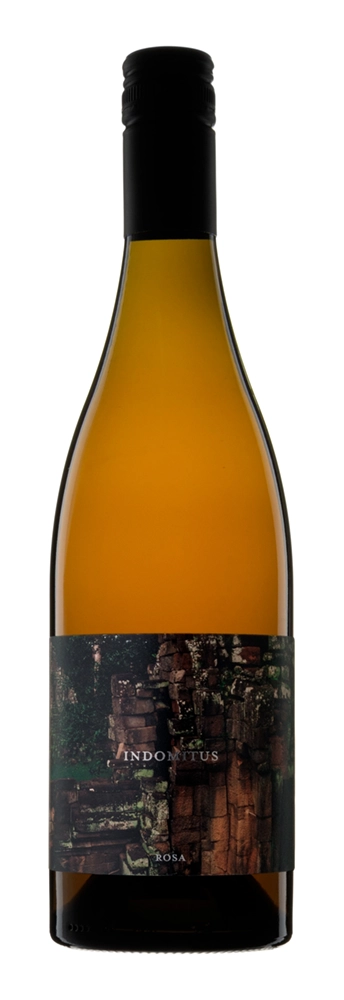
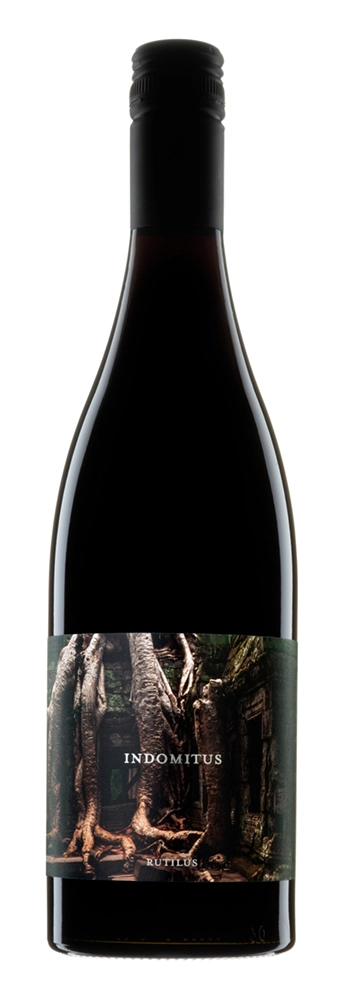
The range has included wines such as Albus, Rosa and Rutilus — each one approaching its source material from a slightly different angle. Albus reimagines Hunter Valley Semillon through wild fermentation, barrel work, solids and extended skin contact. The result is a widening of Semillon’s identity: citrus and acidity remain, but they are joined by texture, savoury complexity, phenolic grip and aromatic intrigue.
Rosa takes rosé seriously, shaped with the same attention given to our more structured wines — considered picking, gentle extraction, wild fermentation, barrel influence and time on lees. The result is freshness and drinkability, but also depth, savouriness and a tactile quality that allows the wine to sit comfortably at the table.
Rutilus has become an outlet for red-fruited, spice-driven, medium-bodied expression. Depending on the vintage, it may draw on varieties such as Shiraz, Tempranillo, Grenache, Sangiovese or Pinot Noir, with the final wine guided by balance rather than formula. The style often favours brightness over heaviness, savoury shape over simple fruit sweetness, and aromatic lift over brute force.
Across the range, the winemaking tools may vary: wild yeast, barrel fermentation, skin contact, lees maturation, whole berries, whole bunches, seasoned oak, extended maceration or unusual blending decisions. But these techniques are tools of expression, and the question is always whether they help build a more compelling wine — one with movement, texture, individuality and emotional resonance.
Indomitus is also connected to a broader shift in how many wine lovers now engage with wine. Today’s most curious drinkers are often looking for authenticity, transparency and creative energy. They are interested in wines that feel alive, personal and connected to a maker’s choices. They may enjoy classic styles, but they are open to wines that challenge the boundaries whilst remaining delicious, balanced and thoughtfully made.
That is the role Indomitus plays within Gundog Estate. It is our place for creative tension: between tradition and reinvention, clarity and complexity, discipline and freedom. It allows us to approach great varieties and regions with fresh eyes, while remaining accountable to the same standards that govern every wine we make.
Indomitus wines are not designed to replace the classics. They exist beside them — asking different questions, offering different textures, and inviting drinkers into a more exploratory part of the Gundog Estate story.